EV vs Petrol Cars: 5-Year Cost Comparison for Ghana Drivers
As fuel prices continue to rise in Ghana, many drivers are asking an important question:
Should I switch to an electric vehicle (EV), or stick with a petrol car?
To answer that, let’s break down the real 5-year cost of ownership — not just the purchase price, but fuel, maintenance, and overall savings.
Monthly Running Cost (Real Ghana Data)
Let’s assume a typical driver travels 1,200 km per month.
Petrol Car
- Fuel consumption: ~7–8 L/100 km
- Monthly fuel use: ~96 liters
- Fuel price: GHS 15–18 per liter
- Monthly cost: GHS 1,440 – 1,728
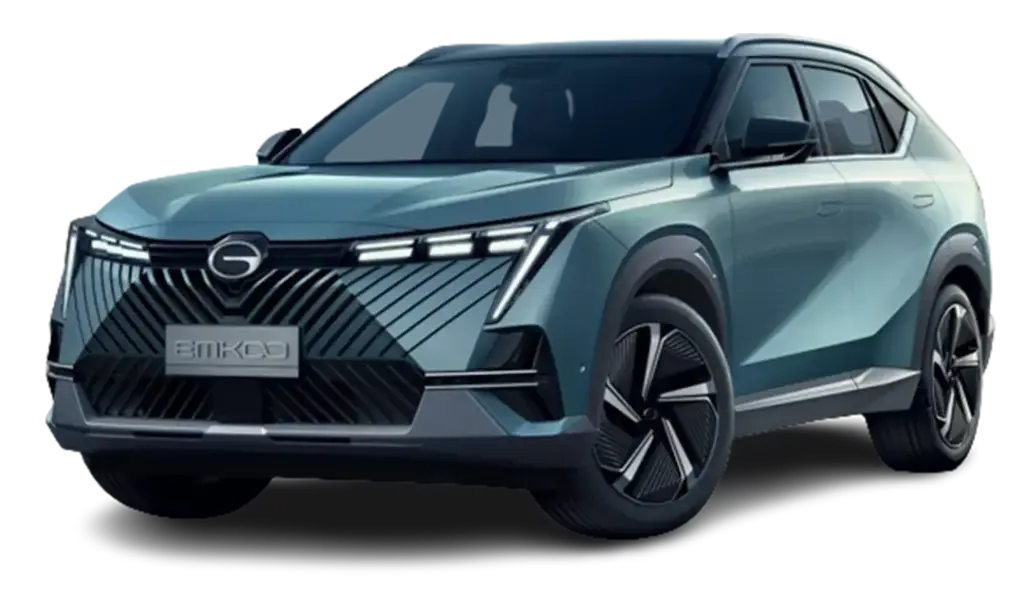
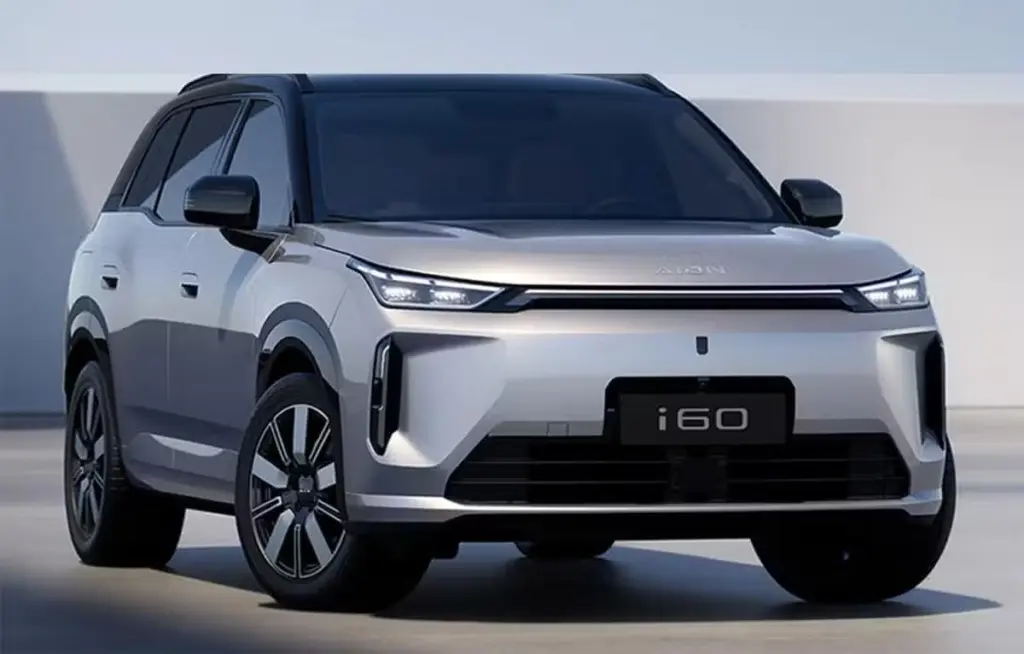
Electric Car
- Energy use: ~12–16 kWh/100 km
- Electricity cost: GHS 2.3–2.8 per kWh
- Monthly cost: GHS 330 – 540
Savings per month: GHS 900 – 1,200
Savings per year: GHS 10,800 – 14,400
Maintenance Costs (Big Advantage for EVs)
Electric vehicles have:
- No engine oil
- No spark plugs
- Fewer moving parts
EV maintenance is typically 30–70% cheaper than petrol cars
5-Year Estimate:
- Petrol car: Higher servicing + parts replacement
- EV: Minimal servicing
Things to Consider in Ghana
Before switching, keep these in mind:
EV Advantages
- Huge fuel savings
- Lower maintenance
- Quiet and smooth driving
- Ideal for city use (Accra, Kumasi, Tema)
EV Challenges
- Charging infrastructure still growing
- Higher upfront cost
- Battery replacement (long-term concern)
Final Verdict
If you drive regularly in the city:
EV is cheaper in the long run
If you travel long distances or lack charging access:
Petrol may still be practical
Over 5 years, EVs can save Ghanaian drivers tens of thousands of cedis, mainly due to lower energy and maintenance costs.
Smart choice depends on your usage — but financially, EVs are winning the long game.